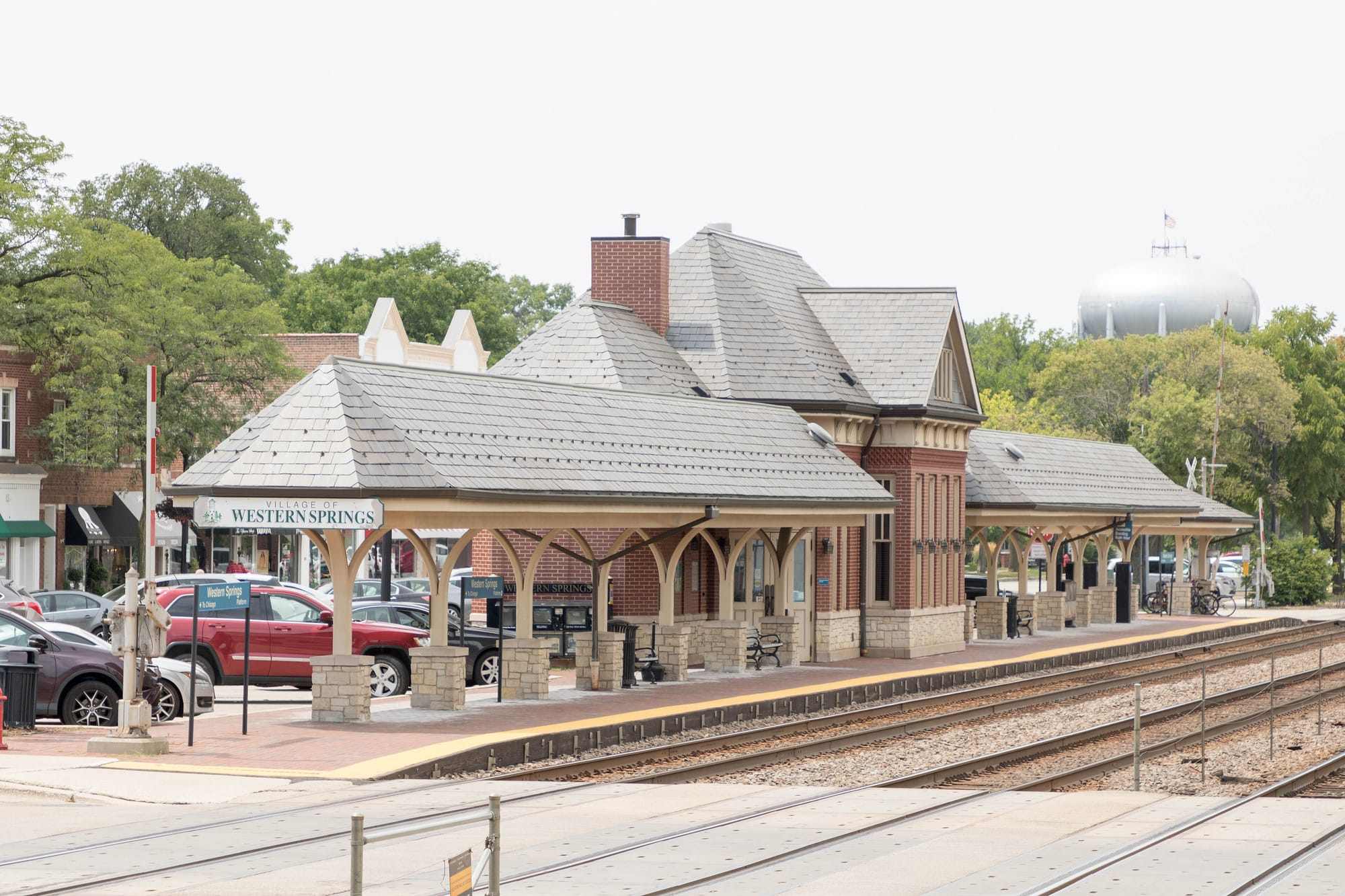
A New Transit Era Starts at the Station
For thousands of Lyons Township commuters, the new era of Chicago-area transit will begin in a familiar place: waiting for a train.
At the La Grange Road, Congress Park, Brookfield, Stone Avenue and Western Springs Metra stations, riders depend on the BNSF line to get to work, school, appointments and downtown Chicago. Others rely on Pace buses to reach jobs, shopping corridors and medical care across the western suburbs. Now, those riders — and even residents who rarely board a train or bus — will help pay for a major regional transit overhaul.
What Changed
A new Illinois law that took effect June 1 creates the Northern Illinois Transit Authority, a new regional agency that will eventually replace the Regional Transportation Authority and oversee CTA, Metra and Pace. As part of that change, the RTA board approved a 0.25 percentage-point sales tax increase for the six-county Chicago region, effective Aug. 1.
The increase is expected to raise about $199 million this year and roughly $553 million in 2027, according to the Daily Herald. For shoppers, the cost is modest but real: someone spending $1,000 on taxable purchases in the region would pay about $2.50 more in RTA sales tax.
For Lyons Township residents, the question is simple: what do they get back?
The Promise: Better Service, Fewer Cuts
State and transit officials say the money will prevent deep service cuts and begin improving a system that has struggled with post-pandemic ridership changes, looming budget gaps and complaints about reliability, safety and coordination between agencies.
“With this funding, riders will immediately begin to see service improvements across the region,” RTA Executive Director Leanne Redden said, according to WBEZ and the Sun-Times.
The new law is designed to raise about $1.5 billion annually for transit in Illinois. The money comes from several sources, including the regional sales tax increase and redirected transportation revenues. It is meant not only to stabilize CTA, Metra and Pace, but to reshape how they work together.
Why Springfield Says It Was Needed
Supporters say that coordination is long overdue. For years, riders have dealt with a fragmented system: separate agencies, separate fare structures, uneven service and poor connections between buses and trains. The NITA law is supposed to move the region toward a more unified transit network, with more central authority over fares, planning and service standards.
State Rep. Eva-Dina Delgado, a Chicago Democrat and leading transit negotiator, framed the old system bluntly during the legislative debate.
“That system has been running on borrowed time,” Delgado said, according to WTTW, citing fragmented governance, uneven investment, unreliable service and a looming fiscal cliff.
State Sen. Ram Villivalam, the law's Senate sponsor, called the law a generational change.
“We are changing our public transit system for the first time in five decades,” Villivalam said, according to WTTW.
The Local Question for Lyons Township
But the law also asks suburban taxpayers to pay more before many of the promised improvements are visible. That tension may be especially sharp in communities like La Grange, Western Springs and Brookfield, where Metra is a daily convenience for some residents but an occasional or unused service for others.
The BNSF line is one of Metra’s busiest and most important commuter corridors, but Lyons Township riders may reasonably ask whether new regional funding will mean more frequent trains, better evening and weekend options, safer stations, cleaner cars, improved bus connections or easier transfers.
Pace riders may have an even more immediate stake. In suburban communities, bus service is often the difference between having access to a job and needing a car to reach one. Seniors, students, lower-wage workers and people with disabilities are among those most affected when routes are infrequent, indirect or poorly connected to rail stations.
What Comes Next
Transit advocates argue that the alternative to new funding would have been worse: fare hikes, layoffs, fewer buses, fewer trains and a downward spiral of declining service and declining ridership. Labor leaders also warned that thousands of transit jobs were at risk. Illinois AFL-CIO President Tim Drea told WTTW it was “vitally important that we keep 15,000 people in transit working.”
The new NITA board is expected to take office Sept. 1. Until then, the RTA board is carrying out early steps required by the law, including the sales tax vote.
For Lyons Township residents, the coming months will test whether the new law feels like a rescue plan, a tax increase or the beginning of a better transit system. The sales tax increase starts Aug. 1. The new agency begins taking shape in September. The harder part — proving that riders and taxpayers are getting something better — comes after that.