La Grange and the rest of Lyons Township are heading toward their next property reassessment in 2026 — the first since a 2023 cycle that left some homeowners stunned by sharp increases.
This time, Cook County says one important part of the system will work differently.
The Cook County Assessor’s Office and the Cook County Board of Review will use a shared method for estimating tax rates during the 2026 reassessment of the south and west suburbs. The change is meant to make valuations more consistent between the office that sets initial assessments and the board that hears appeals.
Cook County Board President Toni Preckwinkle framed the change as an effort to restore confidence.
“For too long, differences between agencies created confusion for taxpayers and undermined confidence in the property tax system. By aligning the offices’ tax-rate methodologies, we are taking a meaningful step toward a more fair, predictable and accountable process,” Preckwinkle said in the county announcement.
The 2023 Reassessment That Set This in Motion
The timing is significant because Lyons Township’s last reassessment drew intense scrutiny.
ABC7’s I-Team reported in 2024 that some Lyons Township homeowners saw assessment increases approaching 650 percent. Its data analysis found the average single-family residential assessment in the township rose more than 32 percent since 2020.
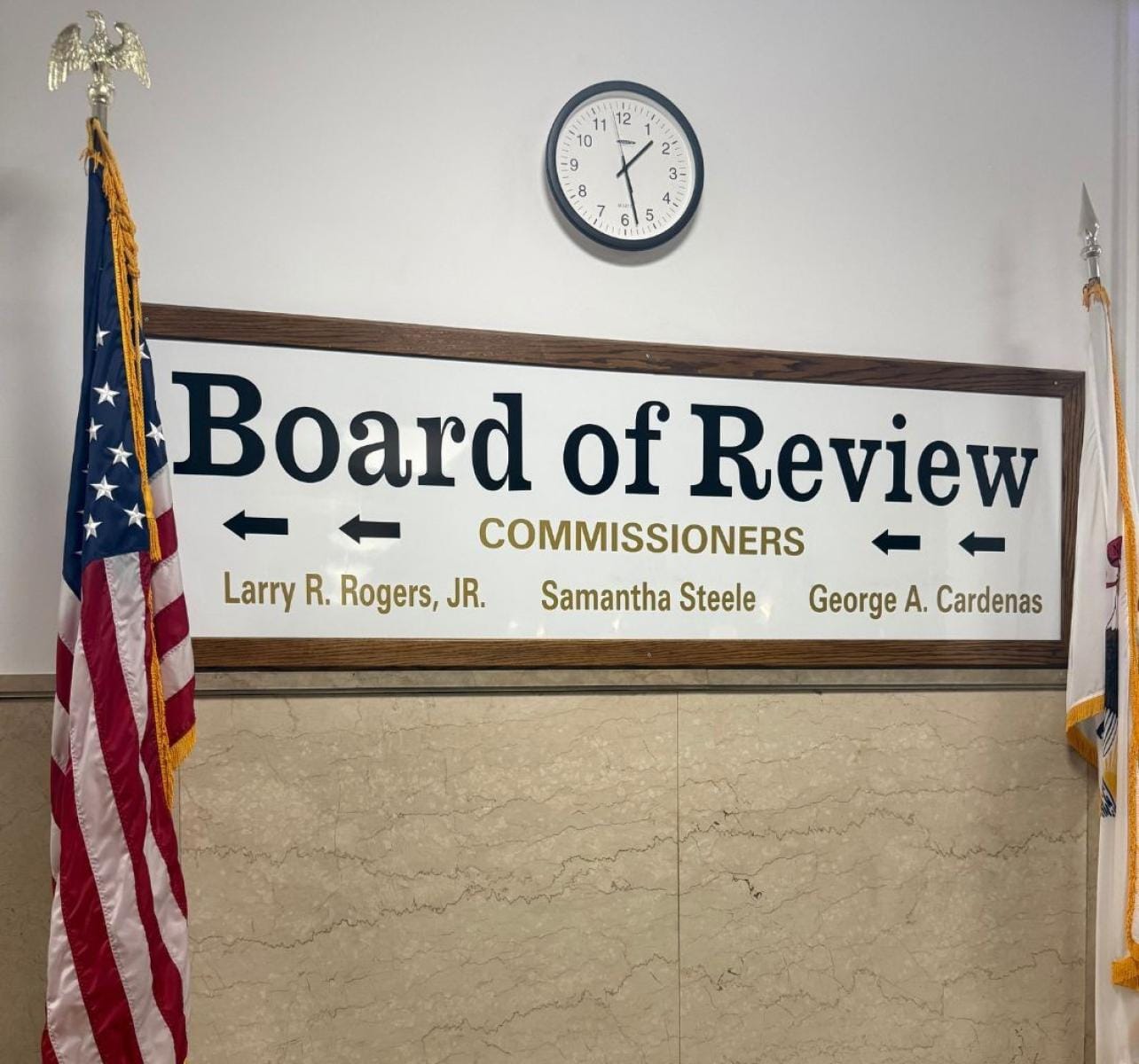
Patch, citing Cook County Board of Review member George Cardenas, reported that more than 1,000 Lyons Township properties had assessed land values double, and more than 100 property owners saw increases of at least 400 percent.
Those spikes were not the direct subject of the county’s new reform, which grew out of a commercial valuation study. But together, they point to the same broader concern: Cook County’s property tax system has often been difficult for taxpayers to understand, predict or trust.
The Problem Behind the Numbers
The change follows an independent audit commissioned by the Cook County Property Tax Reform Group in 2024. That study focused on commercial property valuation and found that the Assessor’s Office and Board of Review used inconsistent methods and lacked sufficient data-sharing practices, contributing to discrepancies in assessed values.
The distinction matters: residential properties are not valued the same way as income-producing commercial properties. Still, the county says aligning tax-rate assumptions between the two offices should reduce one source of inconsistency in the broader assessment and appeals process.
The Fix: One Shared Method
Under the new framework, the Assessor's Office will estimate 2026 tax rates for the south and west suburbs by using the actual 2023 tax rates — the rates from the previous south suburban reassessment year — which the office determined was the best-performing method among several it analyzed. The Board of Review will use the same method when deciding appeals in the first year of the 2026 reassessment cycle.
In the second and third years of the cycle, the offices’ methods may vary slightly because they have different data available at different points in the process, though both will approximate the previous year’s tax rate.
The practical goal is not to guarantee lower assessments or lower tax bills. It is to reduce the chance that the Assessor’s Office and Board of Review are using different assumptions when valuing the same kinds of property.
Officials Say It’s About Fairness
Cook County Assessor Fritz Kaegi endorsed the broader reform effort when the underlying commercial valuation study was released.
“This… analysis addresses significant issues of equity in our property tax system,” Kaegi said, adding that his office supported the study’s recommendations.
The Board of Review also backed the effort, saying in a joint statement that it has “always been committed to transparency and collaboration among all government agencies involved in the property tax system.”
What Homeowners Should Know
For La Grange homeowners, the immediate takeaway is limited but important: the county is changing how one technical piece of the valuation and appeals process works, but that does not mean homeowners should assume their assessments will be lower or their tax bills will go down.
Even a more consistent assessment system cannot control the other major drivers of tax bills, including local levies, exemptions and final tax rates.
No specific schedule for La Grange reassessment notices or appeal deadlines has been published. Homeowners should monitor the Cook County Assessor’s township calendar as the 2026 reassessment cycle begins.